
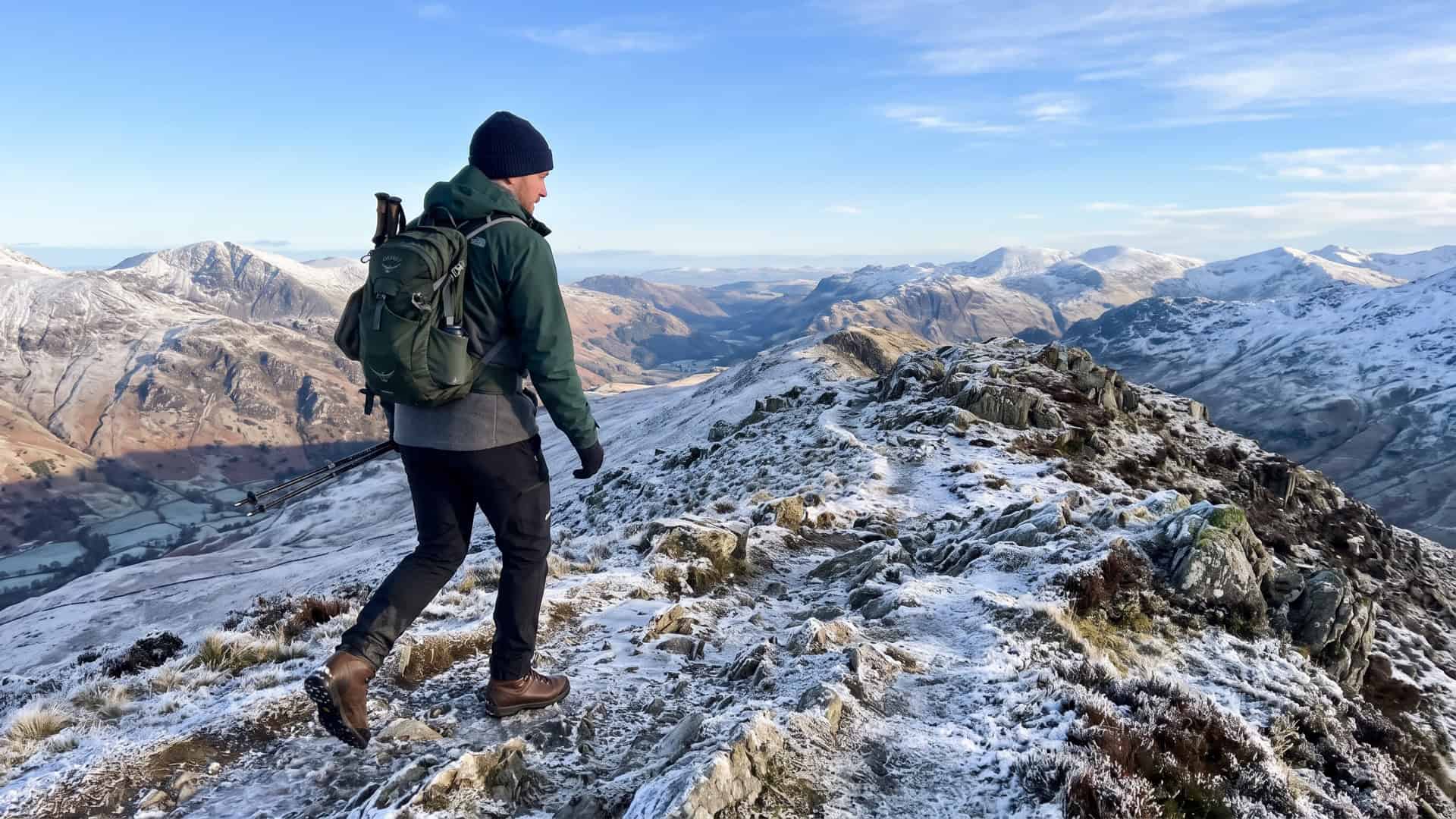
Winter hiking clothes work as a system, so you’ll need more than just one big jacket. Instead, you should build up thin layers and add or remove them as you warm up and cool down. That is the answer to what to wear hiking in winter on most UK hills, and most of the skill is in the adjusting.
Thanks for your support – I may earn a small commission from affiliate links in this article Learn more
The Short Answer
- Upper body: a wicking base layer, a fleece or light insulated mid layer, and a waterproof, windproof shell. Add a warmer insulated jacket in your pack for stops.
- Legs: hiking trousers or softshell trousers, thermal leggings underneath when it’s very cold, and waterproof overtrousers in the pack or on.
- Feet, hands, head: wool or synthetic socks, a thin liner glove under a warmer waterproof glove, a spare pair of each, and a warm hat.
- The habit: take layers off before you sweat, not after.
How should you layer for winter hiking?
Use three layers on top and adjust them as you go: a base layer next to the skin, a mid layer for warmth and a shell against wind, rain and snow.
Sweat that stays in your clothes is what chills you at the top, so being able to take the mid layer off and stow it in your pack is the single most useful habit. Layering for Hiking goes into the system in more detail.
Base layer
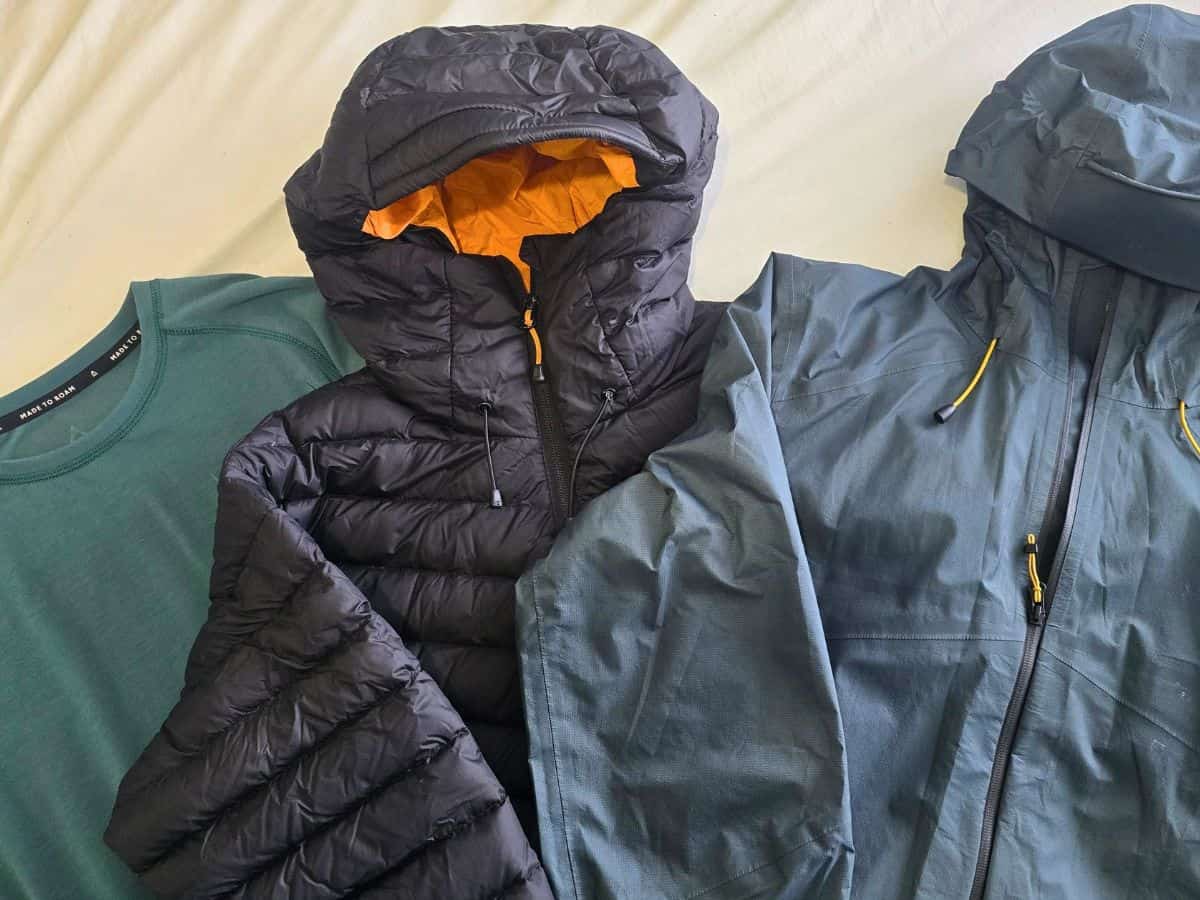
Choose a mid-weight or thermal top in merino wool or synthetic fabric. Merino resists odour and keeps insulating when damp, while synthetics wick well and dry faster. Either works. Avoid cotton, which holds water, dries slowly and pulls heat from your body.
The Icebreaker 200 Oasis is a good all-round merino top for cold days, and the Decathlon Forclaz MT500 Merino gives you much the same for less. If you’d rather go synthetic, a polyester half-zip hiking top does the job and dries faster after a sweaty climb.
Mid layer
A fleece or light synthetic insulated jacket does the main work. In very cold weather, a thin fleece under an insulated jacket gives you two layers you can adjust separately. If you’re choosing a fleece, Polartec Fleece Weights Explained covers the weights. Fleece isn’t waterproof, so it needs a shell over it in wet or windy weather.
A fleece like the Patagonia R1 Daily is good for walking in because it breathes well on the climbs, while the Montane Protium suits colder, windier days when you want a little more warmth. If you’re weighing up a synthetic jacket instead, the best insulated jackets for UK weather has more options, and What Is PrimaLoft? explains the fill.
Shell layer
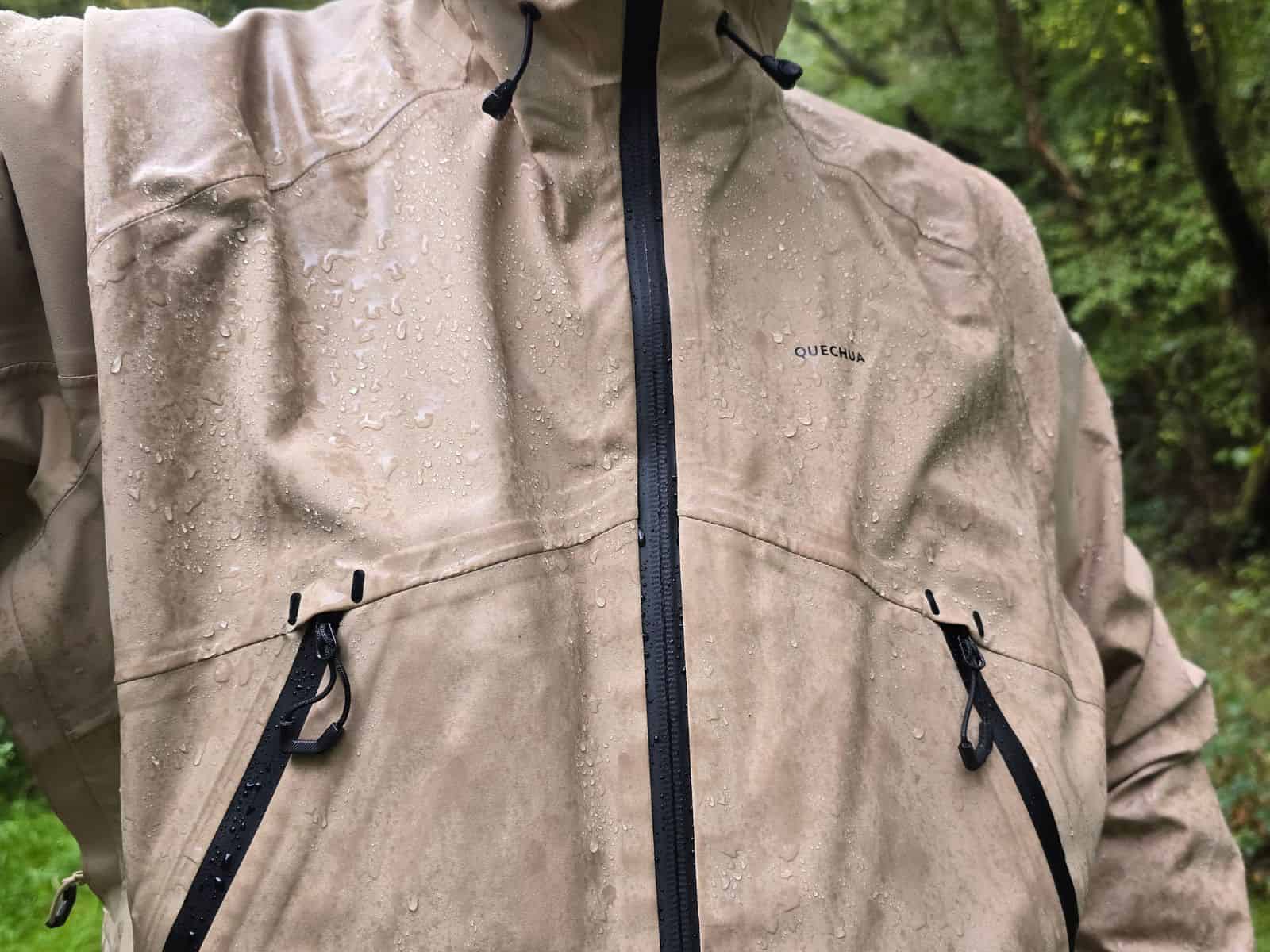
Your outer layer is a waterproof, windproof jacket cut roomy enough to fit over the others. In wet UK winters it protects your insulation from rain, which matters because wet insulation stops working well. If you’re buying one, the best Gore-Tex jackets for hiking are a good place to start.
If you’re on a budget, the Decathlon Quechua MH500 is good for wet UK hills and kept me dry in testing. For more choice at every price, the best waterproof jackets for hiking is worth a look.
Spare insulated jacket
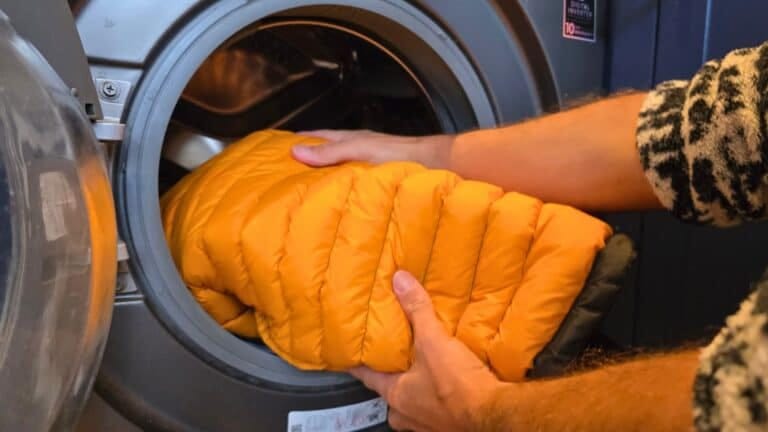
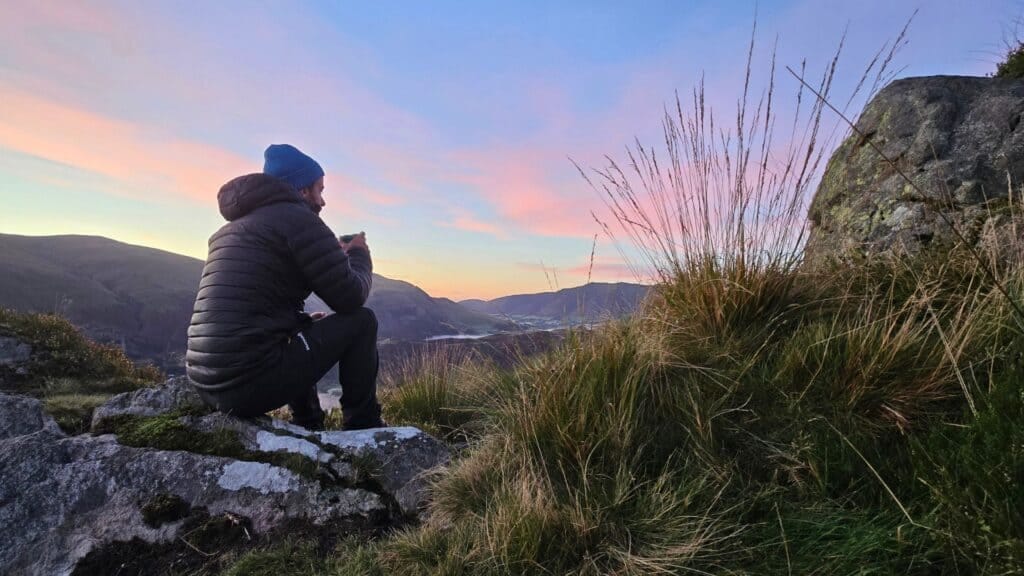
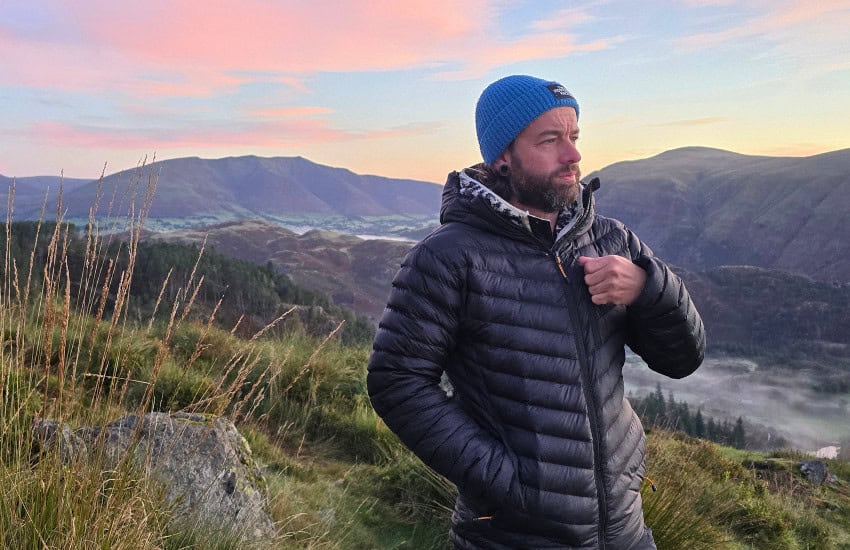
Put a big insulated jacket in the pack and wear it at stops, not while walking. Synthetic insulation is the safer choice in damp conditions because it keeps you warm when wet, while down loses its insulation if it gets soaked. Look for a hood, pockets and a zip you can work with gloves on.
The OEX Kintra is good for cold, dry days because it packs small and has a warm hood. If you’re torn between fills, down vs synthetic insulation sets out the trade-offs.
What should you wear on your legs?
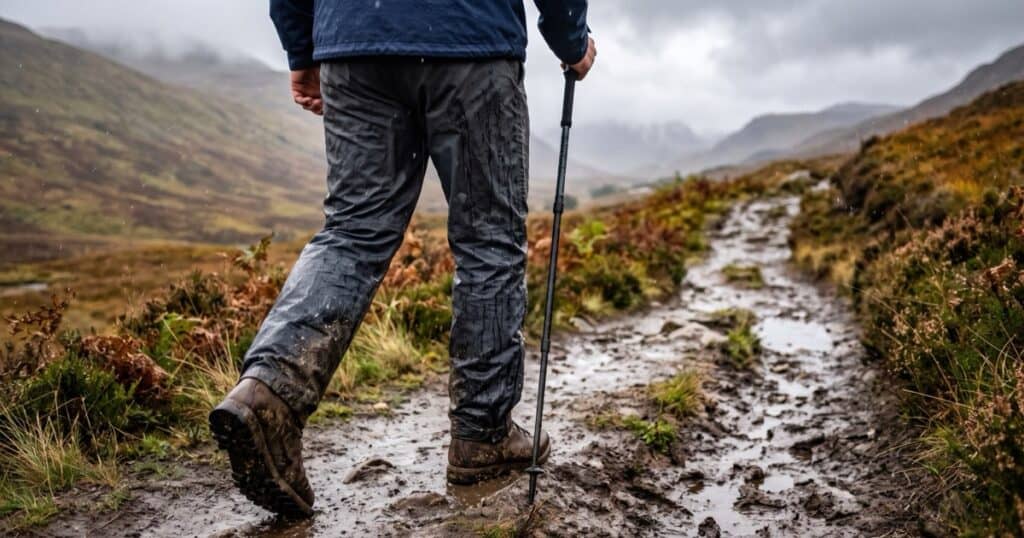
Wear hiking trousers or fleece-lined softshell trousers, and add thermal leggings underneath in very cold weather. Merino long johns are a common choice for the base. Keep waterproof overtrousers in the pack and put them on when rain or snow starts, rather than waiting until you’re soaked. Jeans and cotton leggings are best left at home for the same reason as cotton tops.
What should you wear on your feet, hands and head?
Socks and boots
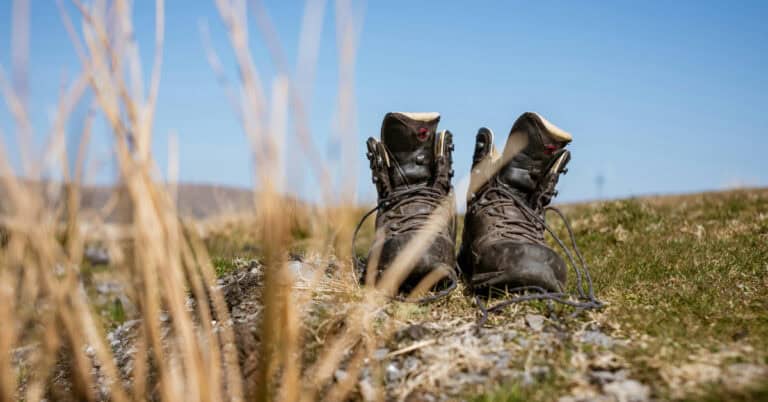
Wear wool or synthetic hiking socks, never cotton, and take a spare pair in a dry bag. Heavier socks suit cold days if your boots have room for them. If they make the boot tight, you lose warmth because circulation drops.
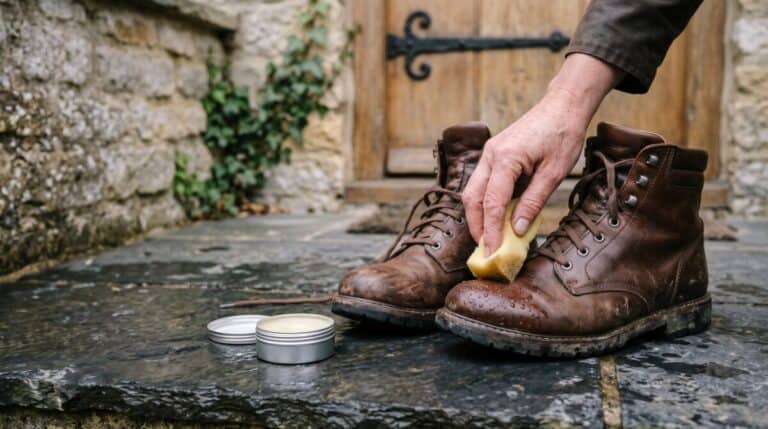
Waterproof socks are worth a look if your boots leak or you cross a lot of wet ground. For snow and ice, choose a boot with a stiff sole and add gaiters to keep snow out. Check what your boots are rated for before you buy crampons.
Gloves
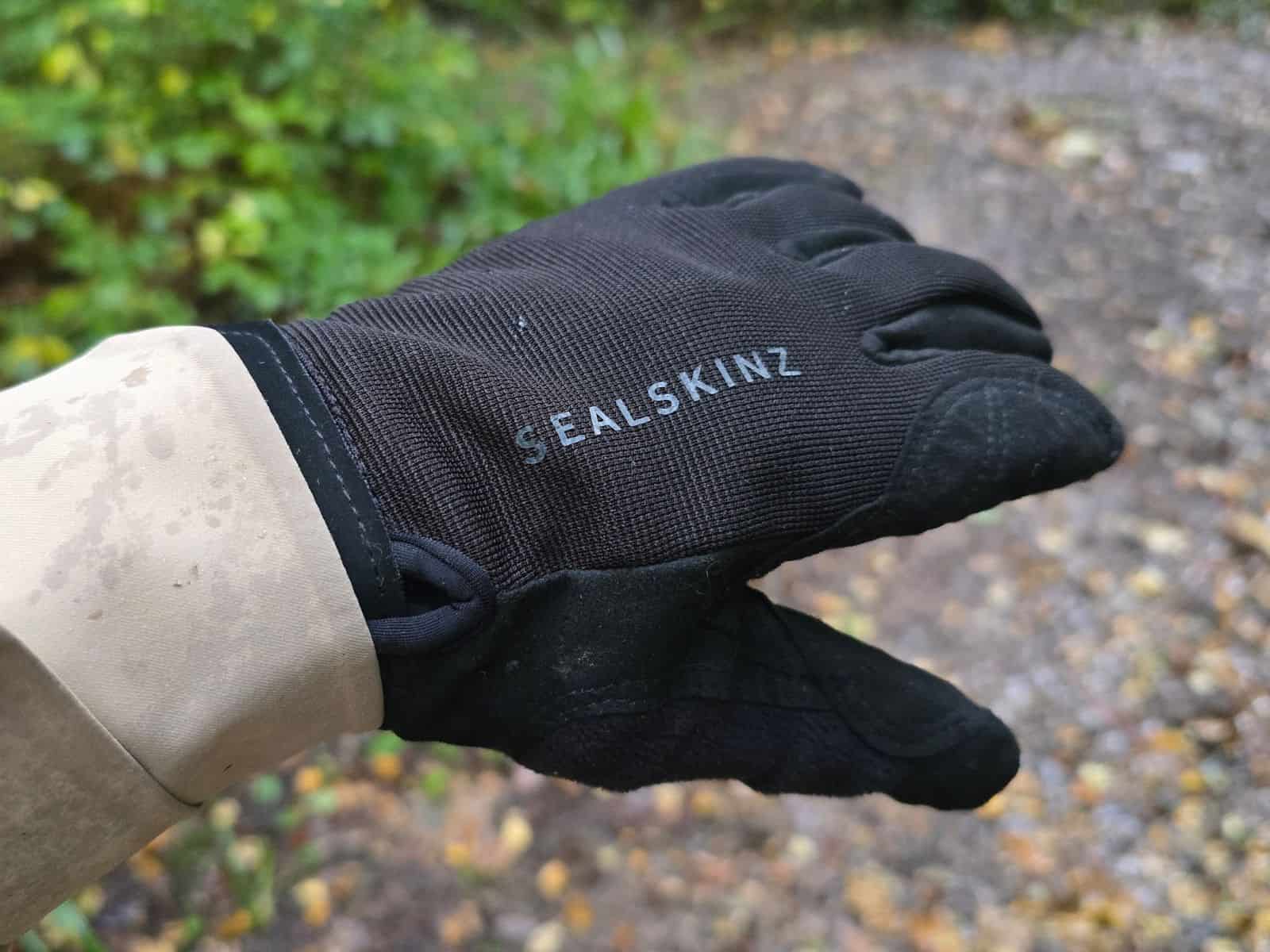
Wear a thin liner glove under a warmer waterproof glove, so you can take the outer off for fiddly jobs without exposing bare skin. Carry at least one spare pair, because gloves get wet or blow away. A damp pair can dry a little inside your jacket while you wear the spare. Insulated overmitts add a lot of warmth on exposed days.
Hat and neck
A warm hat is the quickest way to add or lose warmth, because it goes on and off in seconds. A neck gaiter or Buff stops draughts at the collar and can be pulled up over your face in a freezing wind. Carry a second hat for the same reason as spare gloves.
What should you carry in your pack for winter hiking?
Carry the clothes you aren’t wearing, plus the gear that lets you cope if the day goes wrong. Winter days are shorter and cold drains batteries, so plan for the dark and for delays.
- Pack size: a winter daysack of 35 to 40 litres is a good minimum, because the bulky layers take space.
- Clothing: spare insulated jacket, spare gloves, spare hat, overtrousers.
- Dry bags: a pack cover alone may not keep out snow and rain, so put insulation in a dry bag.
- Safety: head torch with spare batteries, paper map in a waterproof cover, compass, whistle, first aid kit, and an emergency shelter or bivvy bag.
- Food and drink: extra food and a hot drink, as delays happen.
- Ice axe and poles: an ice axe only for steep, icy routes. Walking poles are optional and help with balance.
Check the mountain forecast before you go. The Mountain Weather Information Service covers ten upland areas of the UK and writes its forecasts as warnings about how the weather will affect people on the hill. If you’re planning a night out, see Winter Camping in the UK.
What mistakes should you avoid when dressing for winter hiking?
- Wearing cotton. It holds water and dries slowly. Stick to wool or synthetics.
- Overdressing at the start. Set off slightly cool. You warm up within minutes and sweat then soaks your layers.
- Keeping your insulated jacket on while walking. Wear it at stops and put it on before you get cold, not after.
- Packing only one pair of gloves. A wet or lost pair is the most common way to end up with cold hands.
- Tight boots. Extra socks only help if the boot still fits comfortably.
- Leaving the shell at home on dry-looking days. Wind and sleet change quickly on the hills.
Final Thoughts
Dressing for a winter hike comes down to thin layers you can adjust, a warm jacket for stops, and spares of the small things that get wet. Get those right and a cold day on the hills is something to enjoy. If you’re checking your kit before the season, my hiking equipment list covers the rest.

Steve Cleverdon
Adventure-driven outdoor gear reviewer and paddleboarder, Steve has spent 20 years exploring rivers, coastlines, and trails across Britain and abroad, sharing what he’s learned along the way. Learn more about Steve or get in touch.