Layering for hiking means wearing several thin layers rather than one thick one, so you can add or remove warmth as the weather and your effort change. The standard system has three parts: a base layer to move sweat off your skin, a mid layer to keep you warm, and an outer layer to keep out wind and rain.
It sounds simple, and it is, but most of the discomfort on a walk comes from getting it slightly wrong. Too much on the climb and you soak your base layer in sweat. Too little at the top and that damp layer chills you within minutes. A good layering system is less about buying expensive kit and more about choosing the right fabrics and changing them at the right time.
This guide covers what each layer does, what to look for in each, how to layer for summer, spring, autumn and winter walks in the UK, and the mistakes that leave you cold. If you already know the basics and want a jacket, my guide to the best Gore-Tex jackets for hiking is the place to start.
Thanks for your support – I may earn a small commission from affiliate links in this article Learn more
The Short Answer
- Base layer: a close-fitting synthetic or merino top. Never cotton.
- Mid layer: a fleece for walking in, plus a synthetic or down jacket for stops in cold weather.
- Outer layer: a breathable waterproof jacket, carried all year in the UK hills, even on a bright day.
- The rule that matters most: start slightly cold, take a layer off before you sweat, and put one on before you get cold.
What Are the Three Layers for Hiking?
The three layers are the base layer, the mid layer and the outer layer, and each has one main job. The base layer manages sweat, the mid layer holds warmth, and the outer layer blocks the weather. The British Mountaineering Council’s guide to hill walking clothing and layers uses the same three-part system, and it works because each layer can be swapped or removed on its own.

Base layer: what should you wear next to your skin?
A base layer should be close-fitting and made from a fabric that moves sweat away from your skin. The two main choices are synthetic (polyester or polypropylene) and merino wool.
- Synthetic: dries quickly, is hard-wearing and costs less. The downside is that it holds on to smells, so it suits day walks more than multi-day trips.
- Merino: stays warm when damp and resists odour, so you can wear it for several days. It costs more, dries more slowly and is less durable than synthetic.
- Merino blends: mix the two, aiming for merino’s comfort with synthetic’s strength and drying time.
Avoid cotton, including a cotton T-shirt under a fleece. It soaks up sweat and holds it against your skin, which is fine on the walk up and cold the moment you stop.
Mid layer: fleece, synthetic or down?
The mid layer traps warm air around your body, and for most UK walks a fleece is the best place to start. It breathes well, keeps much of its warmth when damp and copes with being stuffed in a pack. A lightweight 100-weight fleece or grid fleece covers most of the year.
In colder weather, most walkers carry an insulated jacket as well, as a second mid layer for stops rather than for walking in.
- Synthetic insulated jacket: keeps working when damp, so it is the safer choice in wet UK weather and can be worn on the move in the cold. Many use PrimaLoft or a similar synthetic fill.
- Down jacket: gives more warmth for its weight and packs smaller, but loses most of its warmth when wet. It suits dry, cold days, or wearing under a waterproof at a summit or lunch stop.
If you are deciding between the two, I compare them in my guide to down vs synthetic jackets, and my guide to the best insulated jackets covers both types.

Outer layer: what does a waterproof need to do?
Your outer layer needs to keep out wind and rain while letting sweat escape. In the UK that means a breathable waterproof jacket with taped seams, and it goes in your pack on every hill walk, whatever the forecast.
Look for:
- A hood that moves with your head: an adjustable, stiffened peak keeps rain off your face without blocking your view when you turn.
- Pit zips or other vents: the quickest way to dump heat without taking the jacket off.
- Pockets you can reach with a rucksack on: hip-belt straps block low hand pockets.
- Breathability and packed size: a breathable jacket means less sweat building up under the shell, and a small packed size means you will carry it even on a dry day.
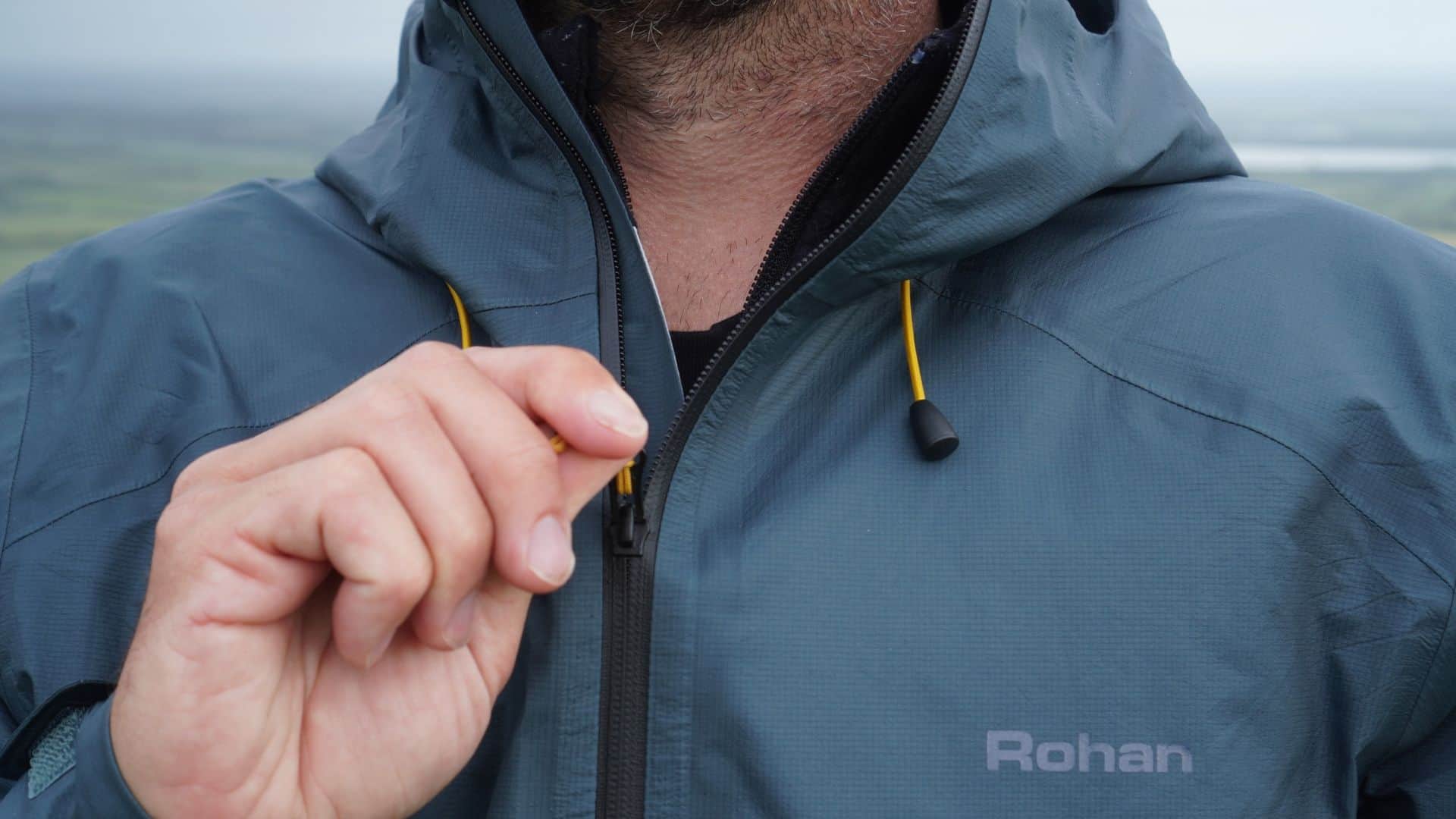
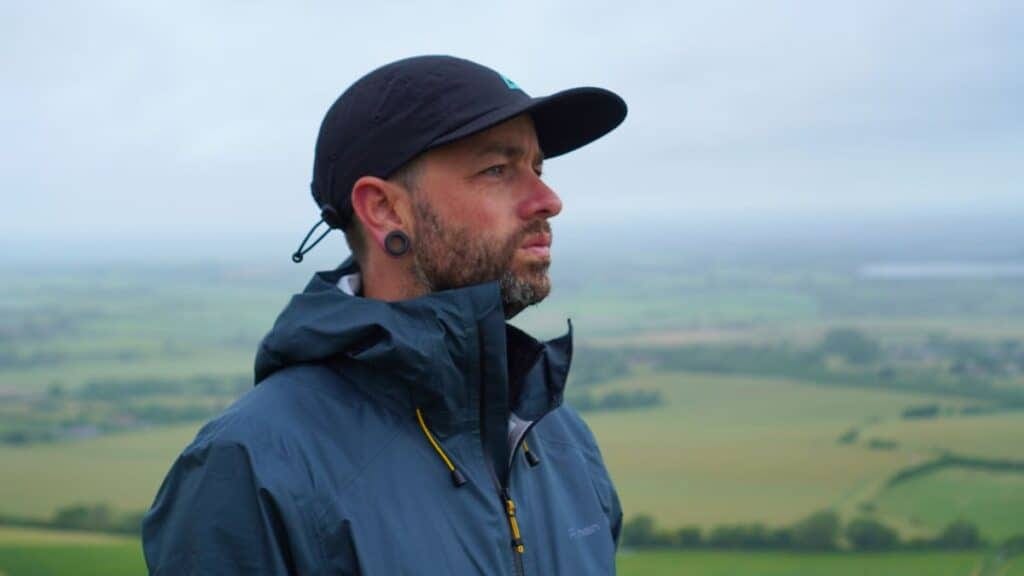
The jacket I reach for most on hill walks is the Rohan Aira. It is a 3-layer shell that weighs 260g, packs down small and breathes well, so it lives in my pack whatever the forecast. A windproof or softshell is a useful extra for dry, breezy days, when a waterproof would make you sweat.
How Should You Layer for Different Conditions?
The three layers stay the same all year; what changes is how warm each one is and how much you carry rather than wear. Plan for the top of the walk, not the car park. It is usually colder and windier on the tops, with the temperature dropping by up to around 1°C for every 100m you climb, before wind chill is added. For hill walks, the Mountain Weather Information Service (MWIS) and the Met Office mountain forecasts give summit-level conditions for the main UK upland areas.
Summer:
- Wear: a lightweight synthetic or merino T-shirt.
- Carry: a thin fleece or windproof and a lightweight waterproof.
- Why: even on warm days, a ridge in the wind or a passing shower can make you cold quickly once you stop.
Spring and autumn:
- Wear: a long-sleeved base layer, adding a fleece if it is cool at the start.
- Carry: a waterproof jacket and overtrousers, plus a light synthetic insulated jacket on higher or longer walks.
- Why: these are the seasons where conditions change most during a single day, so you will be adjusting layers more often.
Winter:
- Wear: a midweight merino or synthetic base layer and a fleece, with a waterproof on if it is wet or windy.
- Carry: a warm insulated jacket for stops, a spare base layer or fleece, waterproof overtrousers, gloves and a hat.
- Why: you generate plenty of heat walking uphill, but you lose it fast at a summit or lunch stop. A spare dry layer is worth its weight if your base layer gets soaked.
On winter walks I usually wear a merino base layer and a light fleece, and carry my OEX Kintra down jacket for when it gets colder, along with the Rohan Aira. If my legs need covering too, I add my Berghaus Maitland GORE-TEX overtrousers.
How Do You Adjust Your Layers While Walking?
The key is to change layers early: take one off before you start sweating and put one on before you start to feel cold. It is a bit like drinking water on a walk: if you wait until you feel thirsty, you are already behind. Waiting until you are hot or chilled is what makes layering feel like it does not work.
- Start slightly cold. If you feel comfortable standing in the car park, you will be too warm 10 minutes into the climb. Set off feeling a little cool.
- Vent before you strip. Open a front zip, pit zips or cuffs first. It is quicker than stopping to take off a layer.
- Shed a layer at the bottom of a climb. Take off the fleece before a long ascent rather than halfway up when you are already damp.
- Add warmth the moment you stop. Put on an insulated jacket as soon as you stop for a break or reach a summit, not after you have started to shiver. Wear it over your waterproof in the dry, or under it if it is raining.
- Keep the outer layer within reach. Pack your waterproof at the top of your rucksack, not under your lunch, so a shower does not mean unpacking everything.

Do You Need to Layer Your Legs, Hands and Head?
Yes, but more simply than your top half, because your legs do most of the work and stay warm. For most walks, one pair of quick-drying walking trousers plus waterproof overtrousers is enough.
- Legs: quick-drying walking trousers, such as the Fjällräven Abisko Hybrid Trail Trousers I reviewed, with waterproof overtrousers in your pack. Look for side zips on overtrousers so you can pull them on over boots. Add thermal leggings underneath in winter.
- Hands: a thin pair of liner gloves for most of the year, with waterproof gloves like the Sealskinz Harling for wet or cold days. Wet hands get cold fast, and a spare pair is useful in winter.
- Head: a cap or sun hat in summer, and a warm hat or headband from autumn onwards. It is the easiest layer to add or remove, so it is a quick way to fine-tune your temperature.
- Feet: merino or synthetic walking socks rather than cotton, for the same reasons as your base layer.
What Are the Most Common Layering Mistakes?
Most layering problems come from wearing too much, choosing the wrong fabric, or leaving a layer at home because the forecast looked good.
- Wearing cotton: jeans and cotton T-shirts hold water and take a long time to dry. They are comfortable in the car park and cold on the hill.
- Overdressing at the start: you sweat on the first climb, then spend the rest of the day damp.
- One thick jacket instead of layers: a heavy winter coat is either too warm or not warm enough, with nothing in between.
- Leaving the waterproof behind: UK forecasts change, and the tops often get weather the valley does not. Carry one on every hill walk.
- Walking in a down jacket: down is best for stops. Walking uphill in it will soak it with sweat, and it loses warmth when damp.
- No spare warm layer: if you get wet or have to stop unexpectedly, a dry fleece or insulated jacket in the bottom of your pack makes a big difference.
Final Thoughts
Layering for hiking does not need specialist kit or a big budget. A synthetic base layer, a fleece and a decent waterproof cover most UK walks, and an insulated jacket and overtrousers take you into winter.
The kit matters less than how you use it. Start cool, change layers before you overheat or get cold, and always carry the waterproof.
Related Guides & Reviews
If you are building or upgrading your hiking layers, these will help:
- Best Gore-Tex Jackets for Hiking
- Best Insulated Jackets for UK Weather
- Down vs Synthetic Jackets
- How to Wash a Puffer Jacket

Steve Cleverdon
Adventure-driven outdoor gear reviewer and paddleboarder, Steve has spent 20 years exploring rivers, coastlines, and trails across Britain and abroad, sharing what he’s learned along the way. Learn more about Steve or get in touch.