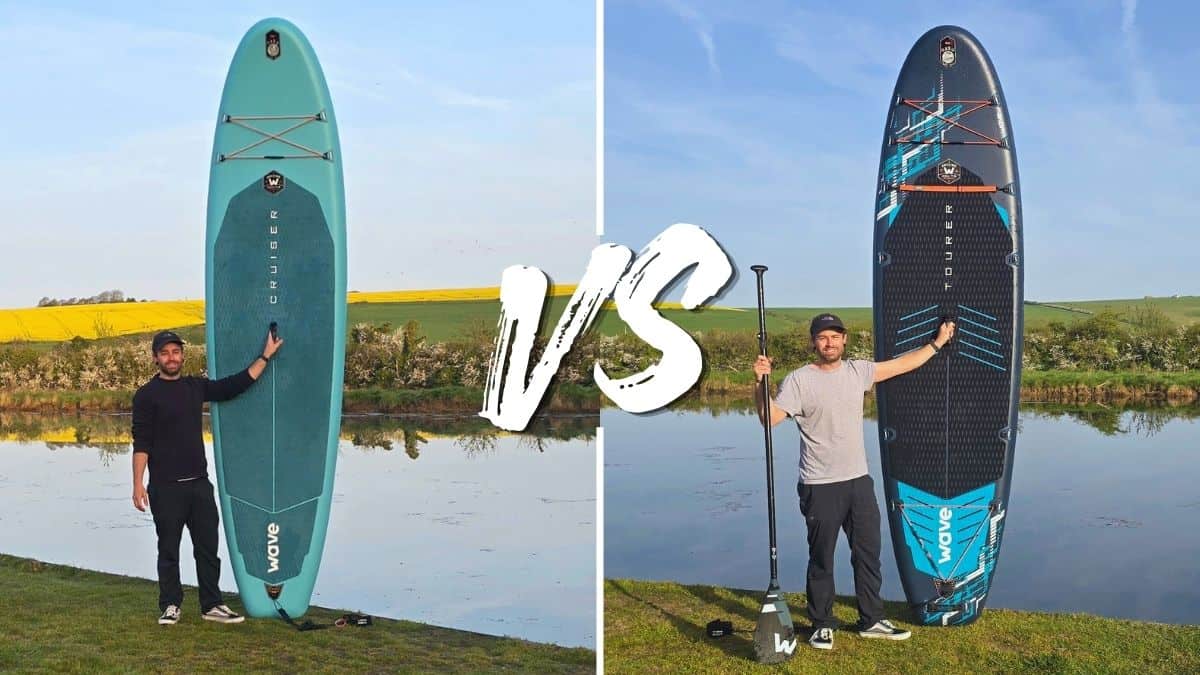
Same brand, same construction, and just £20 between them. On paper, the Wave Cruiser vs Wave Tourer comparison looks like a close call — but having paddled both boards multiple times already this spring, the honest answer is a little more straightforward than the specs suggest.
The Cruiser is Wave’s entry-level board, built to get beginners on the water at the lowest possible price. The Tourer is the step up — better equipped, better accessories, and not much more expensive. Here’s where the money goes and which one makes sense for you.
Thanks for your support – I may earn a small commission from affiliate links in this article Learn more
At a Glance: Side-by-Side Comparison
| Wave Cruiser 3.0 | Wave Tourer 3.0 | |
|---|---|---|
| Length | 10’9″ | 10’3″ or 11’3″ |
| Width | 32″ (81cm) | 32″ (81cm) |
| Thickness | 6″ (15cm) | 6″ (15cm) |
| Weight | 7.9kg | 8kg-8.7kg |
| Max Capacity | 140kg | 130–160kg |
| Max PSI | 20 PSI | 20 PSI |
| Construction | WST™ heat-fused PVC seams | WST™ heat-fused PVC seams |
| Fin System | Slide-in single fin | Quick-release single fin |
| Pump | Single-action manual | Double-action manual |
| Backpack | Unpadded | Padded |
| Bungee | Basic | Front bungee with water bottle holder |
| Warranty | 2 years | 2 years |
| Price | £159.99 | £179.99–£189.99 |
| Steve’s Rating | 4/5 | 4.7/5 |
Unlock 10% off automatically when you click through my links
Key Differences Between the Two Boards
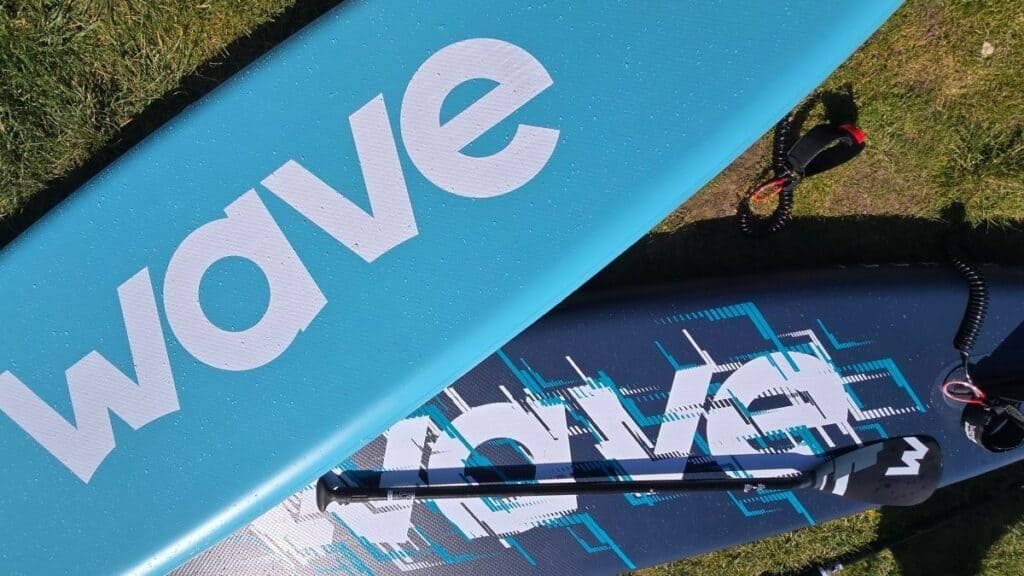
Because both boards come from Wave and share the same core construction — WST™ heat-fused PVC seams, 20 PSI max inflation, 32-inch width — the differences are almost entirely in the accessories and finishing details rather than the board itself.
The £20 price gap looks small. But that £20 is doing a lot of work. What you lose on the Cruiser is a double-action pump, a padded backpack, a quick-release fin, and a front bungee with water bottle holder. None of those things affect how the board paddles. All of them affect how much you enjoy the experience around the paddle.
The one area where the Cruiser is marginally better on paper is weight capacity — rated to 140kg against the Tourer 10’3”s 130kg. In practice that difference is negligible for most paddlers.
Design and Build Quality
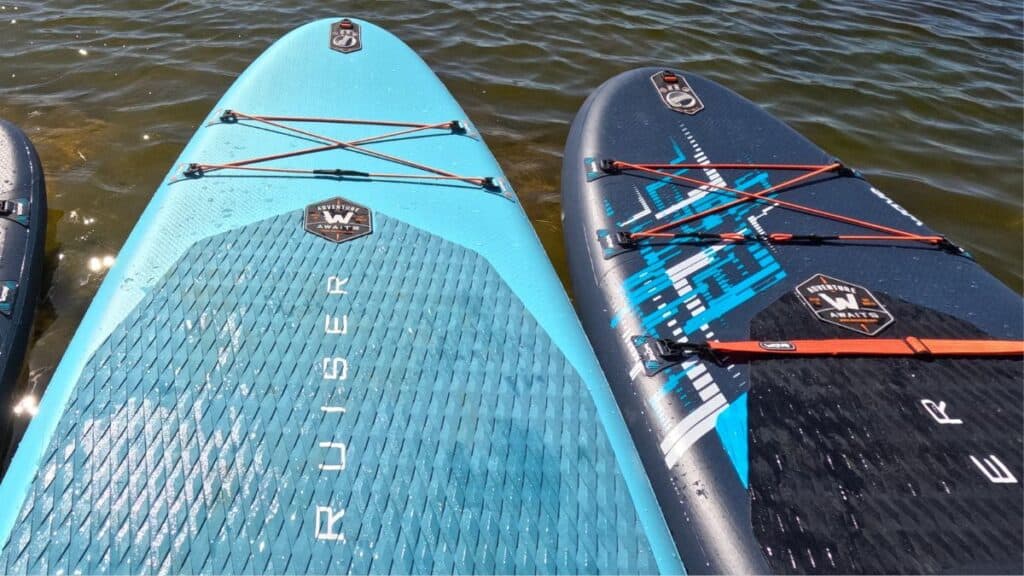
This section is short, because both boards are essentially the same. WST welded construction, same military-grade PVC, same 20 PSI inflation, same 32-inch width, same 6-inch thickness. Wave has applied the same build standard across both boards, which is a good thing — it means the Cruiser doesn’t feel like a budget board despite its price point.
The construction and 2-year warranty you get on the Cruiser at £159 is, frankly, hard to find elsewhere at that price. That’s where the Cruiser earns its place.
The minor build difference worth noting is the fin system. The Cruiser uses a slide-in fin which requires a bit more effort to set up; the Tourer uses a quick-release system that clicks in and out without any fiddling.
Performance on the Water
Having paddled both boards at Cuckmere Haven in comparable conditions, the on-water performance is closer than the rating difference might suggest.

The Cruiser at 10’9″ sits neatly between the Tourer’s two size options. It’s a well-chosen length for a beginner all-rounder — stable, manageable, and easy enough to turn without feeling sluggish. There is a marginal glide difference between the two boards, but it’s minimal, and for the paddlers these boards are designed for, it’ll be unnoticeable. You’d have to be pushing hard on long flat-water sections to feel it.
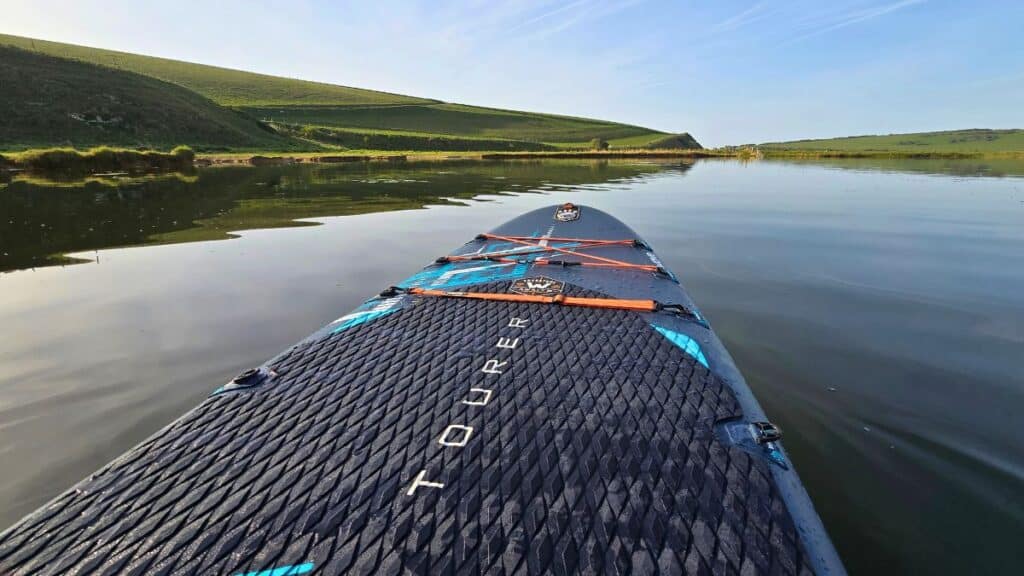
The Tourer has a slight edge in overall responsiveness, helped by its shape. But if you’re new to the sport or paddling recreationally a few times a season, neither board will leave you wanting.
Stability and Who Each Board Suits
Both boards share the same 32-inch width, so stability is effectively identical. Neither will feel unstable to a first-time paddler, and both are forgiving enough that you won’t spend your first session fighting to stay upright.
The Cruiser’s 10’9″ length makes it a touch more directional than the 10’3″ Tourer — marginally better tracking, marginally less nimble on turns. For flat-water paddling that’s a non-issue. The 11’3″ Tourer is the longer board of the three, better suited to taller paddlers or anyone wanting a bit more glide.
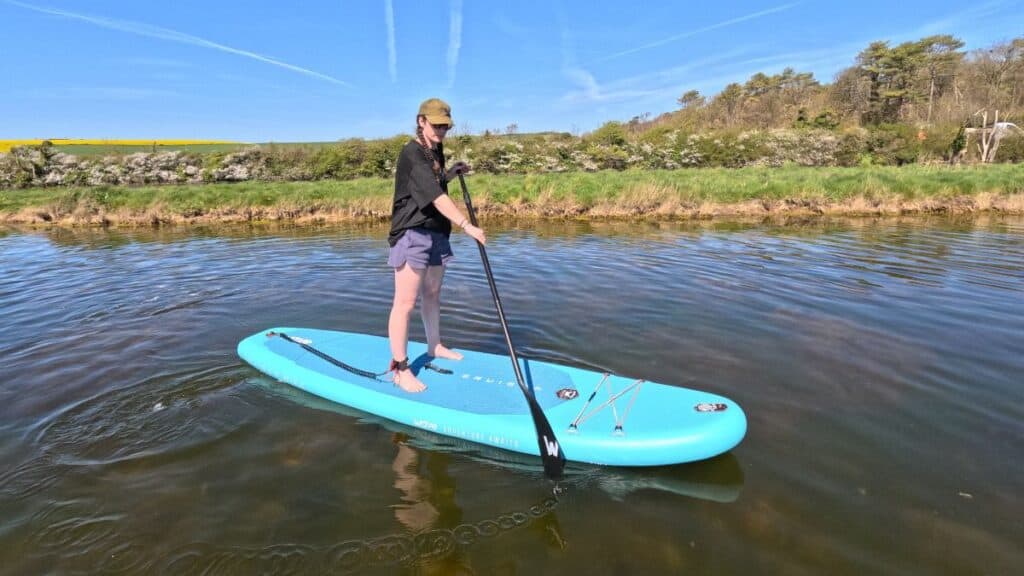
Wave Cruiser 3.0 suits: Complete beginners who want to try paddleboarding without a big outlay; families wanting a board for occasional use; anyone buying primarily for children or light seasonal use; paddlers who prioritise price above all else.

Wave Tourer 3.0 suits: Anyone planning to paddle regularly; beginners who want to grow into the sport without upgrading kit quickly; paddlers who want a better out-the-box experience for a modest extra spend.
Kit and Accessories
This is where the two boards really pull apart, and where the £20 gap between them is most visible.
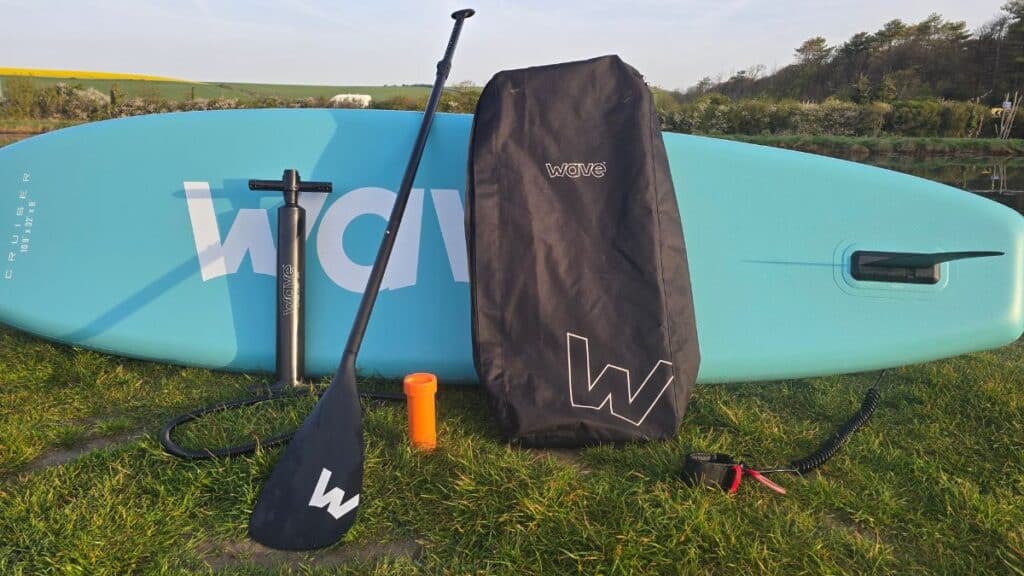
Wave Cruiser 3.0 ships with:
- Single-action manual pump
- Aluminium adjustable paddle
- Slide-in fin
- Quick-release coil leash
- Unpadded backpack
- Repair kit
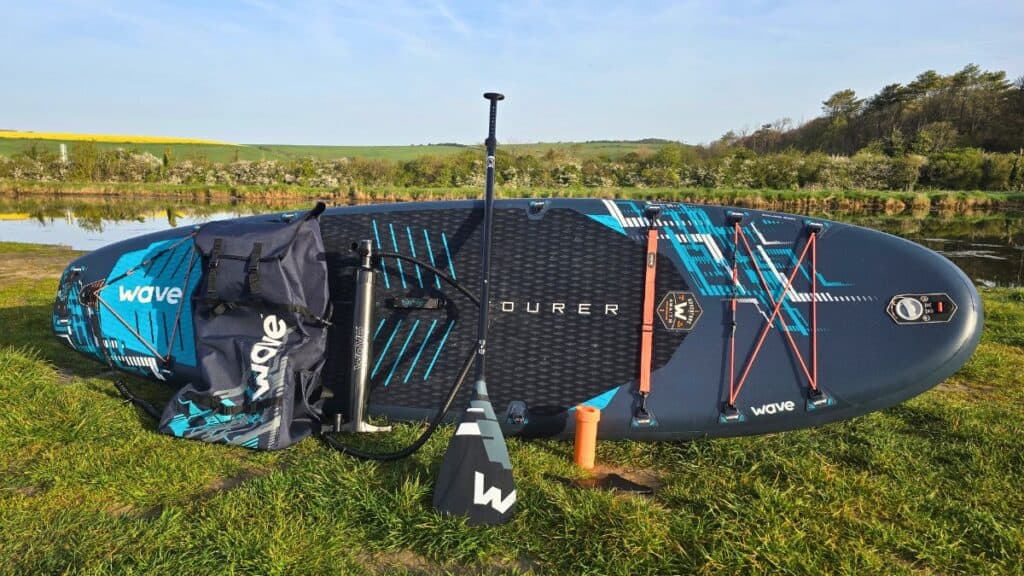
Wave Tourer 3.0 ships with:
- Double-action manual pump
- Aluminium adjustable paddle
- Quick-release fin
- Quick-release coil leash
- Padded backpack
- Front bungee with water bottle holder
The pump difference is the one that stands out most in real use. A single-action pump requires roughly twice as many strokes to reach the same inflation pressure as a double-action. Getting a SUP to 20 PSI with a single-action pump is a workout — particularly first thing in the morning before you’ve even got on the water.
It’s hard to understand why manufacturers don’t fit double-action pumps as standard given the cost difference is minimal — it’s essentially a small plug that switches the pump between modes — but the Cruiser is clearly priced to a budget and something has to give.
If you’re paddling regularly, this will frustrate you quickly. It’s worth factoring an electric pump upgrade into your thinking from the start — my best electric pump for paddle boards guide covers the best options at various price points.
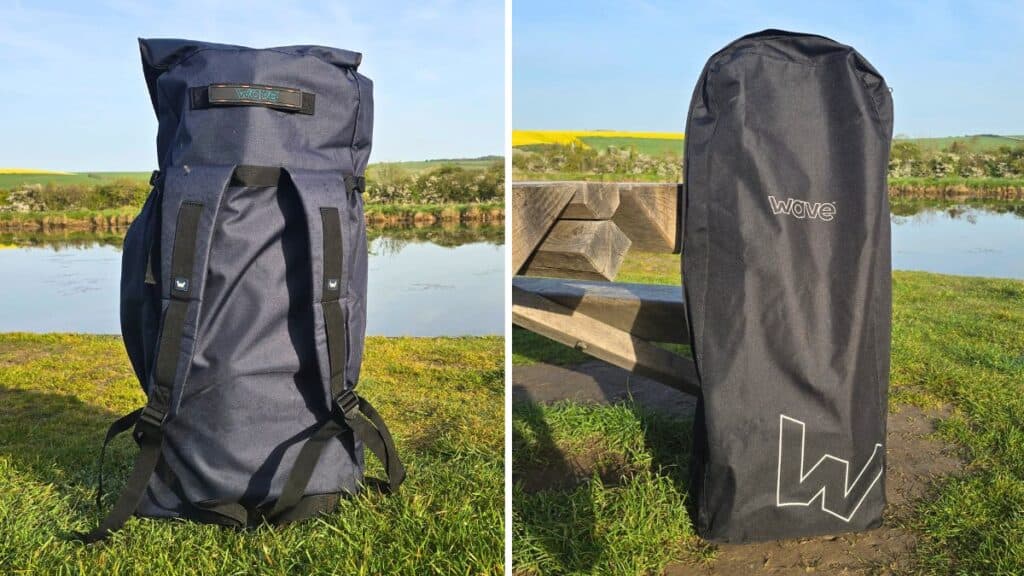
The backpack difference is more of a comfort issue than a functional one. The Cruiser’s unpadded pack is fine for short carries from the car, but becomes uncomfortable over any real distance. The Tourer’s padded straps make a noticeable difference if you’re walking more than a few minutes.
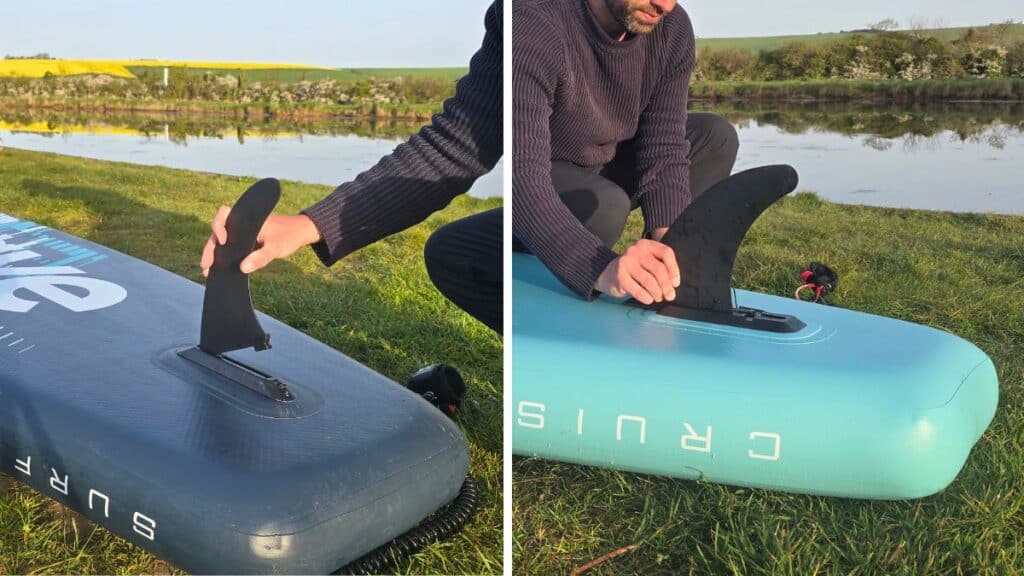
The quick-release fin and front bungee on the Tourer are small details that add up. Neither is a dealbreaker on the Cruiser, but once you’ve used a quick-release fin and had a water bottle within reach mid-paddle, the Cruiser’s omissions become more obvious. If you want to build out your setup further, my paddleboard accessories guide covers the most useful additions for either board.
Value for Money
At £159.99, the Wave Cruiser is one of the best paddle boards for beginners full stop. The WST construction and 2-year warranty at that price is hard to beat. If your goal is getting on the water for as little as possible — for occasional use, for kids, or just to see if paddleboarding is for you — the Cruiser delivers that without compromise on the board itself.
The Tourer at £179–£189 is around £20 more. For that £20 you get a better pump, a padded backpack, a quick-release fin, and a bungee system. None of those are things you’d pay £20 for individually — but together they add up to a noticeably more complete package. That’s a strong return on a small extra spend.
Unlock 10% off automatically when you click through my links
Which One Should You Buy?
The honest answer is that the Tourer is the better buy for most people. At just £20 more you get a meaningfully better set of accessories — and that pump difference alone is worth the gap for anyone who’ll paddle more than a handful of times a season. I’d always point someone serious about paddleboarding toward the Tourer without hesitation.
That said, the Cruiser has a clear place. If you’re buying for kids, dipping a toe in the sport, or just want the cheapest possible entry point from a brand you can trust — it’s hard to do better than £159. The board itself is the same quality, the warranty is the same, and the construction is the same. You’re only giving up the accessories.
If you’re undecided, you can check out my Wave paddle boards comparison, which covers all their current models, if you want to see how the rest of the range stacks up.
Wave Cruiser vs Wave Tourer FAQs
Related Guides & Reviews
The resources below cover the basics, common questions, and related kit to help you get more out of your time on the water.
- Best Budget Paddle Boards in the UK
- Best Paddle Board Accessories: Best SUP Gear
- Wave Tourer vs Bluefin Cruise: Which Paddleboard Is Worth Your Money?
- Wave Tourer 3.0 vs Wave Pro 3.0: Which SUP Is Right for You?
- Aquaplanet ALLROUND TEN Review | Best Beginner SUP?
Both boards featured in this comparison were provided for review purposes. See individual reviews for full disclosure details. My guide is independent of the brands and reflects only my own opinions based on real-world testing.

Steve Cleverdon
Adventure-driven outdoor gear reviewer and paddleboarder, Steve has spent 20 years exploring rivers, coastlines, and trails across Britain and abroad, sharing what he’s learned along the way. Learn more about Steve or get in touch.